
Investing in a small sand and gravel crushing plant represents a high-yield opportunity—provided the underlying economic framework is meticulously engineered. In small-to-medium asset classes, profitability is not determined by raw volume, but by optimizing the ratio of capital expenditure (CAPEX) to operational expenditure (OPEX). Every dollar misallocated during initial procurement or lost to premature component wear delays your investment amortization cycle.
A cost-efficient plant relies on maximizing cost-to-capacity efficiency. This means structuring every asset—from primary jaw reduction units to high-frequency sizing screens—to run at an optimized, predictable cost per ton. By analyzing asset configurations, energy use, and component wear, small-scale operators can lower their Total Cost of Ownership (TCO) and shorten their payback periods.
CAPEX Framework: Equipment Selection and Plant Setup Costs
Initial capital expenditure allocation determines the fixed-cost baseline of the aggregate processing asset. For micro-to-medium installations, capital should be directed into the core sizing and reduction machinery, keeping civil engineering and long-term site construction costs to a minimum. Operators generally choose between two primary setup strategies: stationary modular configurations or compact, agile mobile platforms.
Stationary Modular Plant Assets
A standard stationary setup relies on solid mechanical design paired with simple infrastructure requirements to keep your upfront investment low. Selecting a primary crusher with documented, highly accurate operational boundaries prevents costly design mistakes and ensures reliable performance right from the start:
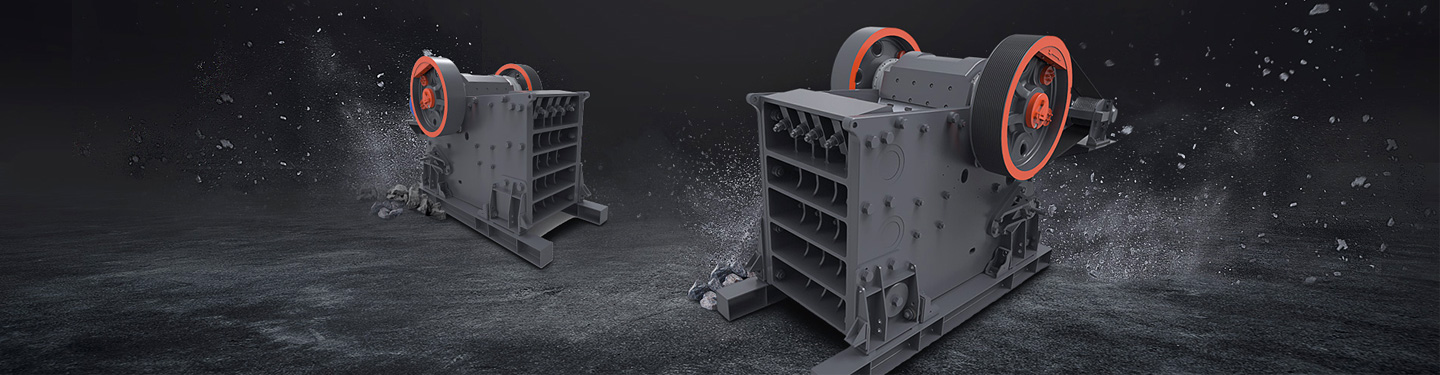
- Primary Reduction Unit: Incorporating the PEW760 Jaw Crusher provides an exceptionally resilient foundation for hard stone processing. Mechanically, this machine handles a maximum feed size of 620mm, providing a throughput capacity of 150–350 t/h while operating on a balanced 110kW power profile. Its heavy-duty design manages high-impact loads smoothly, ensuring high-capacity performance without the premium cost of oversized machinery.
- Screening & Material Separation: Sizing and product separation require high-frequency multi-deck screens (such as a 3-layer 1545 or 1848 vibrating system) paired with heavy-duty belt conveyors. These components consume roughly 15kW to 30kW, depending on their layout.
- Site Infrastructure and Electrical Integration: Basic site preparation involves poured concrete foundations for stationary units, steel structures, and electrical wiring. Using pre-assembled modular frames can reduce on-site concrete pouring needs by up to 40%, cutting down installation times and preserving capital.
Mobile Plant Alternatives for Maximum Flexibility
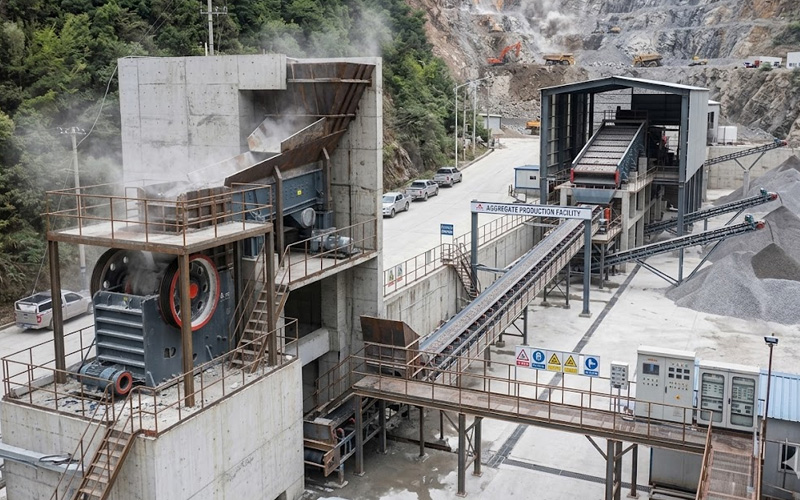
For operators managing short-term leases, multi-site projects, or tight local environmental regulations, compact mobile assets offer an excellent alternative to stationary setups. While mobile units carry a higher initial equipment cost, they eliminate almost all fixed site infrastructure expenses:
- Primary Mobile Platform: The Primary Mobile NK75J is a self-contained unit built around a PE3040 Jaw Crusher and a matched FK0936 vibrating feeder, supported by a built-in 6m³ hopper. It delivers a reliable throughput capacity of 150–350 t/h within a maximum feed boundary of 680mm, running on a 141.4kW power system.
- Capital Optimization via Mobility: Choosing a mobile platform like the NK75J bypasses the need for permanent concrete foundations and complex on-site construction. This approach lowers site restoration liabilities and speeds up commissioning times. Additionally, these assets retain high residual market value, giving operators an effective exit or upgrade strategy that protects long-term capital.
| Asset Component / Model | Max Feed Input (mm) | Rated Throughput Capacity (t/h) | Rated Power Requirement (kW) | Capital Allocation Impact |
|---|---|---|---|---|
| PEW760 Jaw Crusher (Stationary Coarse) | 620 mm | 150 – 350 t/h | 110 kW | Lower initial equipment investment; requires a fixed foundation. |
| Primary Mobile NK75J (Mobile Platform) | 680 mm | 150 – 350 t/h | 141.4 kW | Higher equipment cost; eliminates foundation expenses and speeds up site setup. |
| Auxiliary Sizing Units (Vibrating Screens/Conveyors) | N/A | Matched to Primary Output | 15 – 45 kW (Typical) | Essential for multi-grade separation; modular formats lower structural costs. |
OPEX Analysis: Evaluating Daily Running and Maintenance Costs
While CAPEX shapes your financial foundation, long-term profitability depends on managing daily operational expenses. OPEX variables can quickly erode margins if they are not tracked and optimized using real mechanical data. For small-scale sand and gravel plants, three key variables dictate the operational cost profile: wear-parts consumption, kilowatt-hour energy profiles, and maintenance labor costs.
Wear-Parts Consumption & Replacement Cost Cycles
In sand and gravel plants, abrasive materials like high-silica river gravel accelerate wear on any component making direct contact with the stone. In primary jaw crushers, the moving and fixed jaw plates bear the brunt of this impact and abrasive wear. If the closed side setting (CSS) is adjusted incorrectly or feed material sizes vary too widely, localized wear-hotspots can form. This shortens component life by up to 35%, leading to unscheduled downtime and frequent, costly replacements. Implementing a structured maintenance plan helps predict replacement cycles, stabilizing parts expenses into manageable, planned costs.
Kilowatt-Hour Energy Profiles and Power Configurations
Energy consumption represents a large portion of a plant’s ongoing variable costs. Evaluating your power configuration reveals the distinct trade-offs between different setups:
- Electric Grid Integration: Running a stationary circuit built around the 110kW PEW760 jaw crusher minimizes your cost-per-kilowatt-hour. Total system power draw—including screens and conveyors—averages around 140kW to 160kW. Relying on utility power provides a highly stable cost structure, shielding operations from fuel price volatility.
- Diesel Generator Power Systems: Operating a mobile system like the 141.4kW NK75J via a diesel generator offers excellent geographic flexibility but introduces direct exposure to fuel market fluctuations. To keep costs under control, operators should consider dual-power systems. These allow mobile units to plug into the local electrical grid whenever it is accessible, combining site flexibility with lower energy costs.
Maintenance Labor Costs and Preventative Maintenance Schedules
Unscheduled downtime can disrupt operations, costing anywhere from $1,500 to $5,000 per hour in lost revenue and emergency repair fees. Small-scale operations must implement rigid preventative maintenance schedules to avoid these losses. Simple practices—like checking structural torque points daily, inspecting lubrication systems weekly, and tracking jaw plate wear profiles—help catch issues early. This maximizes the operational lifespan of major components and ensures predictable maintenance costs.
Financial Strategies for Small-Scale Plant Operators
Maximizing the efficiency of your cost-to-capacity ratio requires strict, data-driven financial management. To optimize returns, operators must view their crushing plant not just as a collection of machinery, but as a manufacturing asset designed to convert raw material into high-margin products at the lowest possible cost.
Maximizing Cost-to-Capacity Efficiency and Reducing TCO
To reduce the total cost of ownership, operators should focus on keeping production balanced across the entire circuit. A common error is pairing a high-capacity primary crusher with a small, undersized screening system. This creates a production bottleneck that forces the primary crusher to idle, wasting energy and accelerating component wear. Ensuring that feed rates, crusher settings, and screening areas are fully synchronized keeps the system running at peak capacity, lowering energy consumption and wear costs per ton.
Compressing the Payback Period and Accelerating Amortization
Shortening the investment amortization cycle depends on maximizing machine utilization and targeting high-margin regional product specs. The following strategies help accelerate your return on investment:
- Optimize Product Sizing to Meet Local Demand: Adjust your closed side settings (CSS) to maximize the production of high-value fractions, such as manufactured sand or specific concrete aggregates, which command premium prices over coarse base materials.
- Maintain a Consistent Feed Rate: Use automated vibrating feeders to maintain a steady, continuous stream of material into the crushing chamber. Avoiding sudden surges prevents empty running cycles and sudden torque spikes, protecting components and ensuring efficient power use.
- Implement a Strict Lifecycle Tracking System: Track the tonnage throughput of all wear parts. This data allows you to negotiate volume discounts with suppliers and schedule component replacements during natural production breaks, eliminating unexpected downtime.
By combining predictable operational strategies with reliable equipment choices like the PEW760 or the mobile NK75J, small-scale operators can build a stable, highly profitable aggregate business. This disciplined financial approach shields operations from market volatility, ensures consistent product quality, and accelerates capital return for future growth.