

In rock crushing plants, efficiency and reliability are critical factors that determine production capacity, product quality, and overall operational cost. One essential piece of equipment that directly influences these aspects is the vibrating feeder. Positioned at the front end of the crushing circuit, vibrating feeders regulate material flow, ensure consistent feed rates, and protect crushers from overload and uneven wear.
Function and Working Principle
A vibrating feeder uses vibration to move and evenly distribute bulk rock material across a conveyor or directly into a primary crusher. The mechanism generally includes a vibration motor or exciter, a trough or pan where material is placed, and springs or dampers to absorb shock. By controlling vibration frequency and amplitude, operators can adjust feed rates to match the crusher’s capacity.
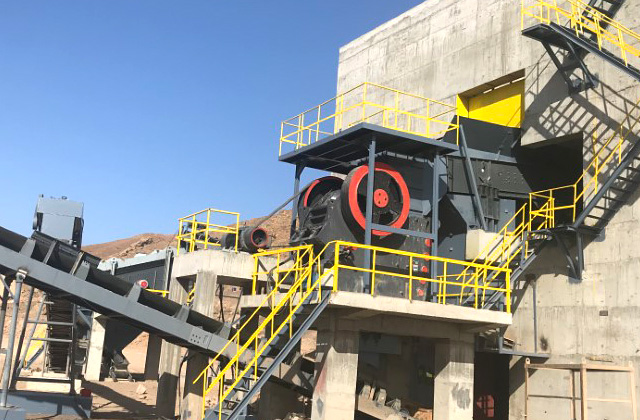
Benefits in Rock Crushing Plants
- Consistent Material Flow – Vibrating feeders prevent surges and blockages by delivering a steady flow of rock to the crusher, minimizing downtime.
- Crusher Protection – By pre-screening fines or smaller particles, feeders reduce the risk of crusher damage and improve crushing efficiency.
- Energy Efficiency – Controlled feeding reduces idle running of crushers, lowering energy consumption and operational costs.
- Durability – Heavy-duty vibrating feeders are built to handle abrasive rock materials, ensuring long service life with minimal maintenance.
Applications
- Primary Crushing Stage: Feeding large boulders into jaw crushers.
- Secondary/Tertiary Crushing: Ensuring uniform feed into cone or impact crushers.
- Screening Integration: Some vibrating feeders include grizzly bars to separate fines before material reaches the crusher.
Challenges and Considerations
- Wear and Tear: Abrasive rock can cause liner wear, requiring regular inspection.
- Power Consumption: High-capacity feeders require more energy, which must be balanced with throughput needs.
- Tuning and Control: Incorrect vibration settings can lead to inconsistent flow or excessive spillage.
Market Outlook
With the increasing demand for construction aggregates and mining products, vibrating feeders remain indispensable in modern crushing plants. Technological advancements, such as automated feed control systems and energy-efficient drives, continue to improve feeder performance, making them more reliable and cost-effective.
Vibrating feeders play a pivotal role in rock crushing plants by ensuring steady material flow, protecting crushers, and optimizing energy use. Their robust design and adaptability to different rock types make them a cornerstone of efficient aggregate production. For operators, investing in a well-designed vibrating feeder is not just about feeding material—it is about maximizing productivity, reducing downtime, and achieving long-term profitability.