
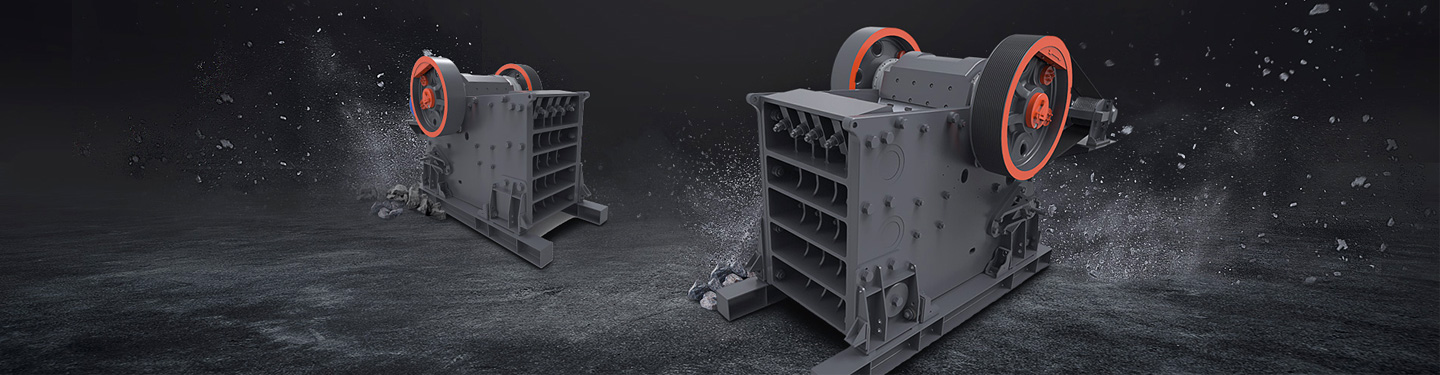
Screening is a crucial step in sand and gravel processing, separating materials into different sizes for various construction and industrial applications. Screening machines are designed to efficiently classify materials, ensuring the desired quality of aggregates. Below is a detailed breakdown of screening sand and gravel machines, covering their types, working principles, applications, advantages, and selection criteria.
1. Types of Screening Machines for Sand and Gravel
Screening machines come in different designs, each suited for specific needs:
- Vibrating Screens – The most common type, including linear (for dry materials) and circular (for wet or sticky materials) variants.
- Trommel Screens – Ideal for wet and sticky materials, often used in gravel and sand washing operations.
- S5X Series High-Efficiency Screens – Modern screens with increased capacity, used in large-scale aggregate production.
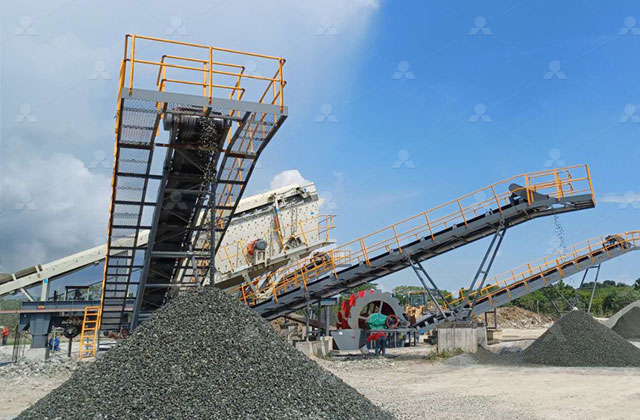
2. Working Principles of Screening Machines
Screening machines use vibration, rotation, or alternating motion to separate materials:
- Vibrating Screens – Use eccentric shafts or vibratory motors to create shaking motions, allowing finer particles to pass through while larger ones move forward.
- Trommel Screens – Rotate slowly in a cylindrical drum, with internal lifters agitating the material for classification.
3. Applications in Sand and Gravel Processing
Screening machines are essential in:
- Pre-Screening – Removing oversized rocks before crushing.
- Final Product Grading – Separating gravel, sand, and fine aggregates for concrete production.
- Washing & Dewatering – Screening out impurities while classifying materials during washing.
- Recycling Operations – Sorting demolition waste or recycled aggregates for reuse.
4. Advantages of Modern Screening Machines
- High Efficiency – Advanced designs increase throughput with minimal energy consumption.
- Durability – Wear-resistant materials, such as manganese steel or polyurethane, extend screen life.
- Flexibility – Adjustable screen decks accommodate different material types.
- Low Maintenance – Sturdy construction and simplified mechanisms reduce downtime.
5. How to Choose the Right Screening Machine
Consider the following when selecting a screening machine:
- Material Type – Sticky or wet materials require specialized screens like trommel or flip-flow.
- Capacity Needs – High-volume production demands a high-efficiency vibrating screen (e.g., S5X series).
- Particle Size – Fine screening needs a multi-deck vibrating screen, while large rocks require a grizzly screen.
- Operating Environment – Harsh conditions may require robust or waterproof designs.
Investing in the right screening machine ensures smooth operations and high-quality aggregates for construction and industrial use.
By understanding these key aspects, buyers and operators can optimize their sand and gravel screening processes for better performance and profitability.