

Based on our engineering team’s pit-side maintenance audits across massive hard rock quarries, the primary crushing station remains the most vulnerable point for sudden, catastrophic structural fatigue. When processing unyielding ore deposits, structural survival requires a machine built to handle brutal, non-stop compressive stress without cracking under pressure. Tracking long-term wear patterns in severe environments demonstrates that the precise mechanical advantages of jaw crushers: robust and durable design frameworks are the deciding factors in eliminating emergency shutdown periods and maintaining high production-to-cost ratios.
Why Does a Modular Non-Welded Frame Prevent Structural Cracking?
Traditional primary jaw crushers frequently suffer from structural failure at the welded seams of the front and side walls due to the relentless vibration and intense impact forces of heavy rock processing. To fix this common vulnerability, advanced primary jaw units utilize a heavy-duty modular, non-welded frame structure. By replacing welded configurations with high-tensile pinned and bolted connections, the machine can flex slightly under extreme stress without developing the micro-fractures that eventually lead to catastrophic frame failure.
This pinned assembly method evenly distributes the massive crushing forces across the entire structural body. Our engineers have observed that eliminating welded joints prevents localized stress concentration, which is the main cause of sudden frame cracking during severe blockages. For mining operations, this specific design ensures long-term structural integrity and guarantees that the machine remains stable and operational through years of continuous primary crushing duties.
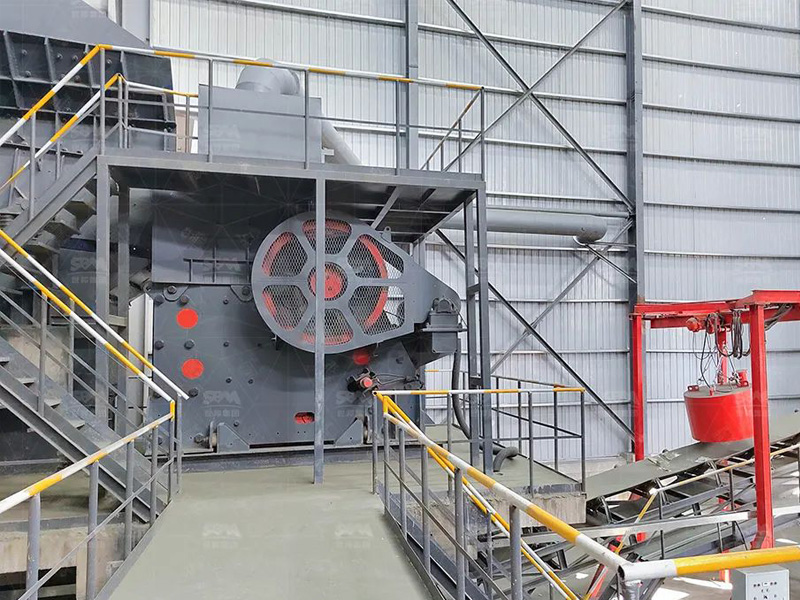
How Forged Eccentric Shafts and Alloy Selections Maximize Wear Life
The core mechanism of a heavy-duty jaw crusher relies entirely on its eccentric shaft and jaw plates to sustain continuous compressive force. Standard shafts often succumb to mechanical fatiguing when encountering uncrushable materials or highly abrasive granite. To guarantee uninterrupted asset survival, premium primary units feature oversized forged shafts made from high-strength alloy steel, paired with top-tier heavy-duty bearings that easily handle heavy structural loads.
At the same time, the wear life of the crushing chamber is directly tied to advanced jaw plate alloy compositions. Standard manganese liners quickly degrade when subjected to high-impact friction, forcing frequent maintenance shutdowns. Utilizing premium high-manganese alloy formulations combined with targeted chromium additions allows the crushing surfaces to work-harden under real-world impact. This means the metal actually becomes harder and more wear-resistant the longer it crushes tough rock, extending component service life and keeping your field-side maintenance teams focused on scheduled optimizations rather than emergency repairs.
Technical Validation: Heavy-Duty Primary Jaw Crusher Performance Metrics
To accurately assess these heavy-duty primary jaw crushers, mining operators must evaluate hard engineering data over generic descriptions. The following performance parameters from the master database illustrate how structural durability directly translates into high operational capacities and large feed capabilities across demanding primary crushing applications:
| Equipment Series | Crusher Model | Capacity (t/h) | Power (kW) | Max Feed (mm) | Primary Application Profile |
|---|---|---|---|---|---|
| PEW Series | PEW860 | 200-500 | 132 | 720 | High-abrasion rock processing with advanced wedge settings |
| C6X Series | C6X125 | 230-760 | 160 | 800 | Heavy-duty primary station handling massive hard-rock boulders |
| C6X Series | C6X110 | 160-550 | 160 | 720 | High-capacity primary crushing under continuous impact load |
| C6X Series | C6X100 | 130-420 | 110 | 630 | Medium-to-large scale severe mineral extraction applications |
Analyzing these parameters shows that the structural advantages of jaw crushers: robust and durable design choices allow heavy-duty machines like the C6X125 to handle a massive maximum feed size of 800 mm while maintaining a stable output capacity of up to 760 t/h. This high throughput is sustained with a reliable 160 kW power configuration, highlighting the excellent energy efficiency achieved by optimized crushing dynamics and robust flywheel weight distribution.
Eliminating Emergency Downtime Through Cavity Optimization
Robustness involves more than just raw component weight; it requires active, integrated mechanical safety and optimization systems to maintain performance. A major cause of emergency quarry downtime is the presence of uncrushable material, such as rogue tramp iron, entering the primary chamber and causing immediate stall or fracture conditions.
Modern primary jaw crushers solve this issue by pairing optimized crushing chamber geometry with smart protection assemblies, such as heavy-duty hydraulic or mechanical toggle plates that act as reliable structural fuses. If an uncrushable item enters the chamber, the system yields instantly to safeguard the forged eccentric shaft and main modular frame from severe damage. Furthermore, advanced double-wedge discharge port adjustment systems allow plant operators to modify the Close Side Setting (CSS) safely and efficiently under full tension, completely eliminating the labor-intensive shim-stack procedures common in older jaw designs. This combination of structural strength and modern control systems ensures maximum runtime and optimal plant efficiency.