

In a significant development for the African mining sector, the export of small rock crushers to Zambia is gaining momentum, marking a pivotal shift toward more efficient, scalable, and cost-effective mineral processing solutions. As global demand for minerals continues to rise, particularly for copper and cobalt—key resources abundant in Zambia—the adoption of compact crushing equipment is emerging as a practical response to both economic and operational challenges faced by small and medium-sized mining enterprises.
Addressing the Needs of Zambia’s Mining Sector
Zambia’s mining industry plays a central role in its national economy, contributing substantially to GDP and export earnings. However, a large portion of mining operations, especially artisanal and small-scale mines (ASM), struggle with limited access to advanced machinery. Traditional large-scale crushers are often capital-intensive, energy-consuming, and unsuitable for decentralized mining environments.
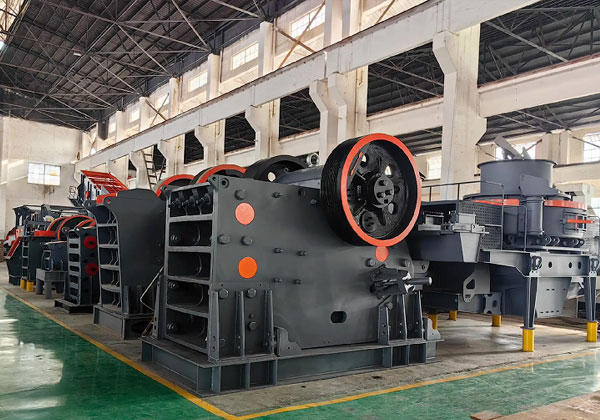
Small rock crushers provide a viable alternative. These machines are designed with lower capacity but greater mobility, making them ideal for remote mining sites. Their relatively simple structure, ease of installation, and reduced operational costs align well with the needs of ASM operators, enabling them to process ore more efficiently and increase productivity.
Theoretical Basis: Efficiency Through Size Reduction Technology
From a theoretical perspective, rock crushing is a fundamental stage in mineral processing, governed by principles of comminution. According to Bond’s Law and Rittinger’s Theory, energy consumption during crushing is directly related to particle size reduction. Small rock crushers are engineered to optimize this energy-to-output ratio by applying controlled mechanical forces—such as compression and impact—on materials.
Modern small crushers often integrate advanced design features such as optimized crushing chambers and wear-resistant materials, which enhance performance while minimizing energy loss. This technological refinement ensures that even compact machines can achieve high crushing efficiency, making them suitable for processing hard ores like granite, basalt, and copper ore commonly found in Zambia.
Economic and Environmental Advantages
The export of small rock crushers to Zambia also reflects broader economic and environmental considerations. On the economic front, these machines lower the barrier to entry for mining entrepreneurs by reducing upfront investment and maintenance costs. This democratization of mining technology supports local job creation and stimulates regional economic growth.
Environmentally, small crushers contribute to more sustainable mining practices. Their lower energy consumption reduces carbon emissions, while their portability minimizes the need for extensive infrastructure development. Additionally, improved crushing efficiency leads to better resource utilization, reducing waste and enhancing ore recovery rates.
Enhancing Global Trade and Industrial Collaboration
The growing trade of mining equipment between manufacturing countries and Zambia highlights the importance of international cooperation in industrial development. Exporters are increasingly tailoring their products to meet the specific geological and operational conditions of African markets. This includes customizing crushers for higher durability, adaptability to varying ore types, and ease of maintenance in remote areas.
Such collaborations not only boost equipment exports but also facilitate technology transfer, enabling local operators to adopt modern mining techniques and improve overall industry standards.
A Catalyst for Industrial Sovereignty
The export of small rock crushers to Zambia is a testament to the power of “right-sized” industrialization. By providing the tools for decentralized mineral processing, these machines empower local Zambian enterprises to take control of their natural resources. It is a strategic synergy that proves that in the quest for economic development, the most powerful solutions are often those that are portable, efficient, and perfectly scaled to the needs of the people they serve.
As Zambia continues to refine its mining policies to favor local participation, the humble rock crusher will remain at the forefront of this industrial revolution—turning stones into the building blocks of a national future.