

In high-tonnage aggregate operations, choosing a low-cost aggregate screening machine supplier based solely on the initial purchase price can be misleading. A vibrating screen is not simply a piece of equipment bought once; it is a continuously operating production asset whose maintenance, energy consumption, component replacement, and downtime determine its actual cost over years of service.
The S5X Vibrating Screen illustrates why buyers should evaluate the complete cost structure rather than focusing exclusively on upfront procurement price.
Upfront Price Is Only the Starting Point
A low initial price can be attractive, particularly when an aggregate producer is expanding capacity or replacing aging equipment under a tight capital budget. However, the purchase price represents only one component of the machine’s total cost of ownership.
For a high-capacity screening application, buyers should consider installation, commissioning, spare parts, routine maintenance, lubrication, screen media replacement, labor, energy consumption, and production losses caused by unscheduled shutdowns.
The correct question is therefore not “Which screen is cheapest to buy?” but “Which screen delivers the lowest cost per processed tonne over its operating life?”
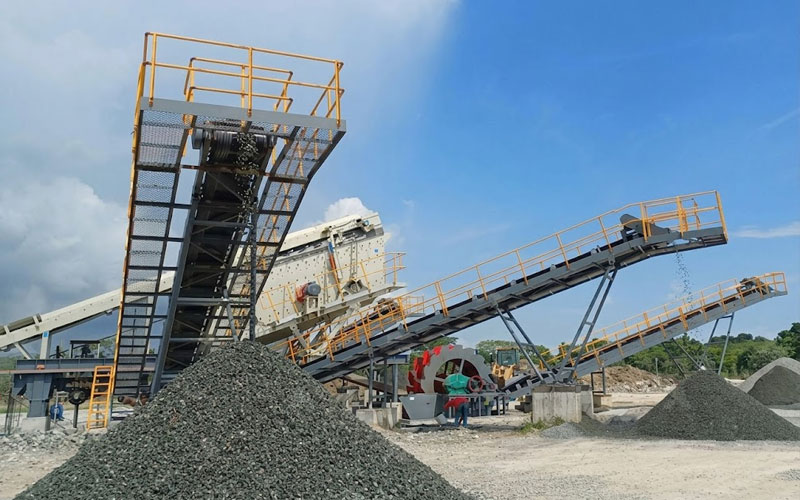
Screen Mesh Wear Can Become a Major Expense
Screen mesh is a consumable component. In abrasive aggregate applications, particularly when processing hard rock, poorly selected or rapidly wearing screen media can significantly increase operating expenditure.
The relevant measurement is not simply the purchase price of replacement mesh. Operators should calculate the cost per shift or cost per tonne screened. A screen with a slightly higher acquisition price may prove less expensive if its mesh lasts substantially longer.
The S5X should therefore be evaluated according to the accessibility of its screen media, replacement time, fastening arrangement, and expected service life under the specific material and feed conditions. A supplier that provides realistic wear-life estimates and appropriate mesh specifications can be more valuable than one offering the lowest machine quotation.
Bearing Lubrication Efficiency Matters
Bearings operate under substantial loads and repeated vibration. Their service life depends heavily on effective lubrication and appropriate maintenance intervals.
For high-tonnage operations, lubrication efficiency has two cost dimensions: lubricant consumption and bearing reliability. Inefficient lubrication can increase grease or oil consumption, while inadequate or excessive lubrication can accelerate bearing degradation.
The S5X’s lubrication and bearing-management design should therefore be considered as part of the machine’s operating economics. Buyers should examine how easily lubrication points can be accessed, how maintenance personnel can monitor bearing condition, and what preventive-maintenance procedures are recommended.
A bearing failure can cost considerably more than the replacement component itself because the resulting downtime may interrupt the entire crushing and screening circuit.
Structural Dynamic Load Fatigue
Vibrating screens are exposed to continuous dynamic forces. Consequently, structural durability is another factor that a low-cost equipment comparison can overlook.
Frame fatigue, cracked welds, loose connections, and other structural problems may develop progressively rather than appearing immediately after commissioning. Their financial impact can include inspections, repairs, replacement parts, engineering work, and lost production.
When assessing an S5X Vibrating Screen, buyers should investigate its structural design, vibration characteristics, manufacturing quality, and measures used to control dynamic loads. The goal is not merely to establish whether the machine can operate at the required capacity, but whether it can sustain that workload reliably over a long operating cycle.
Calculate Total Expenditure Per Shift
For high-tonnage aggregate plants, the most useful comparison may be total expenditure per shift. A practical calculation should include:
Total shift cost = energy + labor + lubrication + screen-media wear + routine maintenance + expected component replacement + downtime allowance.
This approach changes the purchasing decision substantially. Suppose Machine A costs less initially but requires more frequent mesh replacement and maintenance. Machine B may have a higher purchase price but operate longer between interventions. If Machine B processes more tonnes per shift with fewer interruptions, its effective cost per tonne can be lower.
For an S5X installation, operators should collect actual operating data after commissioning and compare maintenance expenditure against production output. This creates a more reliable basis for future equipment purchases.