
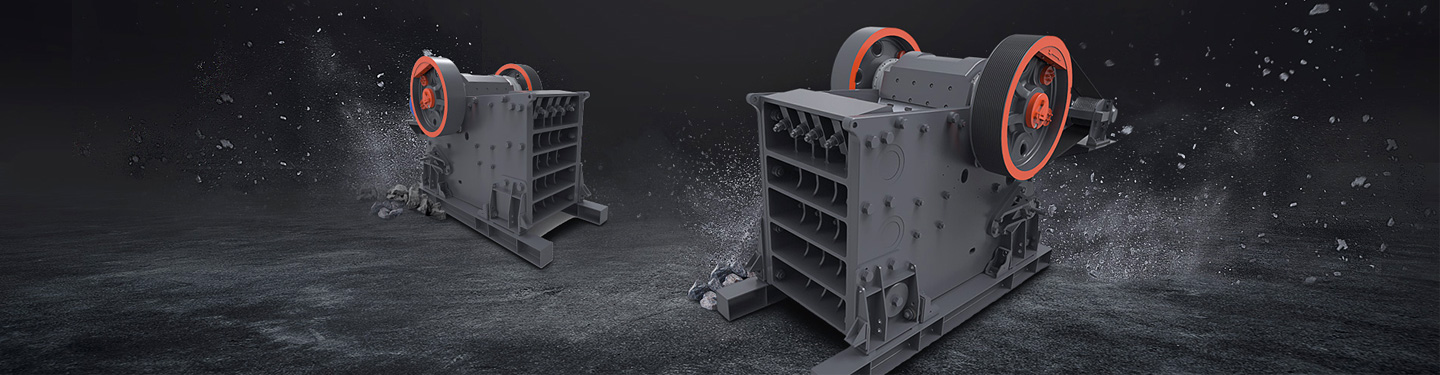
In the field, the coarse crushing process for large rocks isn’t about marketing specs; it’s about mechanical survival. When you’re dealing with quarry intake where the feed size exceeds 900mm, the primary stage is where most plants fail due to “bridging” or catastrophic shaft failure. If your primary station isn’t built for high-impact stress, you’re looking at unplanned downtime and a maintenance crew that’s permanently on overtime. Reliability in this stage comes down to two things: how you feed the beast and how the beast swallows the rock.
For large-scale operations, we benchmark the PEW Series Jaw Crusher (European Type), specifically models like the PEW1100. This machine is designed for the “boots-on-the-ground” reality of hard rock processing where throughput reliability is the only metric that matters at the end of the shift.
Eliminating “Bridging” with V-Shaped Chamber Design
The biggest bottleneck in the coarse crushing process for large rocks is material bridging. Standard chambers often allow oversized rocks to wedge themselves at the top, halting the entire line. The PEW Series utilizes a specialized V-shaped crushing chamber. This design ensures that the actual feed width matches the nominal feed width, allowing massive rocks to drop deep into the cavity immediately.
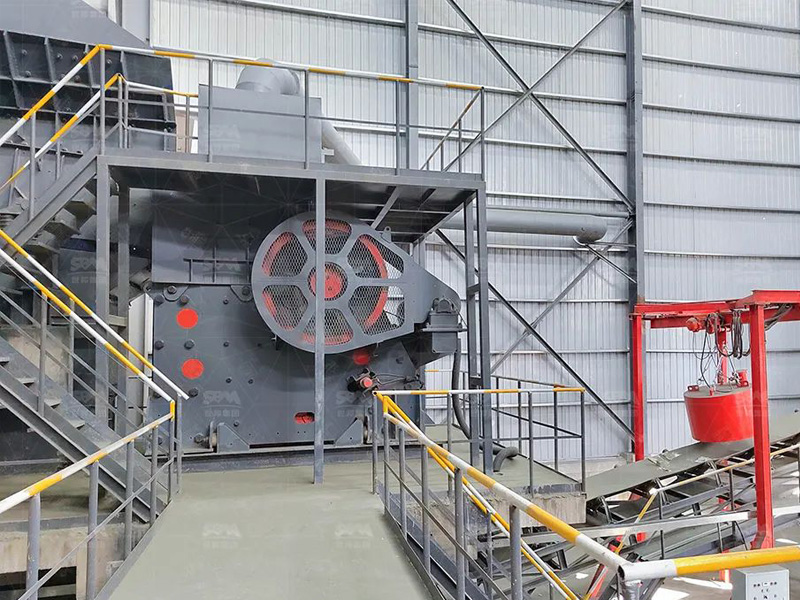
By optimizing the stroke and the nip angle, the PEW1100 prevents material from “dancing” on top of the jaws. This ensures a consistent “bite,” which is critical for maintaining the TPH (tons per hour) required in high-capacity circuits. From a maintenance perspective, this reduced “rebounding” also means less uneven wear on the upper sections of the jaw plates.
Mechanical Resilience: The Heavy-Duty Heart
Large rocks deliver massive kinetic shockwaves upon the first impact. A standard shaft will flex and eventually fatigue. The PEW Series is engineered with a heavy-duty eccentric shaft forged from high-strength alloy steel. This isn’t just about size; it’s about the integrity of the forged components and the oversized heavy-duty bearings that house them.
This construction manages the high-impact stress of materials like granite or basalt without risking structural cracks in the pitman or the main frame. When you’re pushing 600 tons an hour, you need a machine that treats 1100mm boulders as routine work, not a strain on its limits.
| Series | Model | Max Feed (mm) | Capacity (t/h) | Power (kW) | Weight (T) |
|---|---|---|---|---|---|
| PEW Jaw Crusher | PEW1100 | 940 | 300-650 | 185 | 59.2 |
| PEW Jaw Crusher | PEW860 | 720 | 200-500 | 132 | 32.0 |
| TSW Feeder | TSW1548 | 850 | 350-650 | 30 | 6.57 |
| TSW Feeder | TSW1345 | 700 | 250-450 | 22 | 4.97 |
Feeding Stage: Protecting the Crusher with TSW Feeders
You don’t just dump raw quarry run into a jaw crusher. To optimize the coarse crushing process for large rocks, the TSW Series Vibrating Feeder is mandatory. The TSW uses heavy-duty grizzly bars to perform pre-screening. Any material already smaller than the Closed Side Setting (CSS) of the jaw crusher is bypassed directly to the conveyor.
This “fines bypass” is vital for two reasons:
- Reduced Internal Wear: It prevents the “cushioning” effect where small rocks accelerate the wear on jaw plates without contributing to the crushing work.
- Increased Effective Capacity: The jaw crusher only works on the rocks that actually need breaking, maximizing the TCO (Total Cost of Ownership) efficiency by reducing unnecessary power draw.
The Wedge-Style Adjustment: Field Safety and Speed
In a traditional shop, changing the discharge opening (CSS) involves manual shims and hours of downtime. In a high-production quarry, we use the Wedge-style Adjustment System found in the PEW series. This system allows the operator to adjust the CSS via a hydraulic or mechanical wedge mechanism in minutes rather than hours.
This is a game-changer for operational safety. It eliminates the need for workers to reach into dangerous areas with heavy shims. Faster adjustment means you can maintain product size consistency as the jaw plates wear down, without sacrificing a half-day of production for a simple adjustment.
Frequently Asked Questions
- How does the V-shaped chamber improve coarse crushing?
- The V-shaped design ensures the actual feed opening matches the nominal size, preventing large rocks from bridging at the top and ensuring they drop straight into the high-force crushing zone.
- Why is a grizzly feeder necessary in the primary stage?
- A TSW or GZD grizzly feeder removes fines before they enter the crusher. This reduces wear on the jaw plates and prevents the machine from being “choked” by material that is already at the target size.
- What are the benefits of a wedge-style CSS adjustment?
- It significantly reduces downtime and increases worker safety by allowing quick, precise adjustments to the discharge opening without the manual labor associated with traditional shim systems.
- Can the PEW1100 handle rocks larger than 900mm?
- Yes, the PEW1100 has a maximum feed size of 940mm, making it the benchmark for handling massive quarry intake in high-capacity primary circuits.