

Non-metallic ores, including limestone, quartz, gypsum, feldspar, kaolin, clay, dolomite, and mica, are essential raw materials in industries such as construction, ceramics, glass, cement, and chemicals. Efficient processing of these ores is critical to maximize productivity, ensure uniform particle size, and reduce operational costs. Non-metallic ore crushing plants and their accessories play a central role in this process.
1. Components of Non-Metallic Ore Crushing Plants
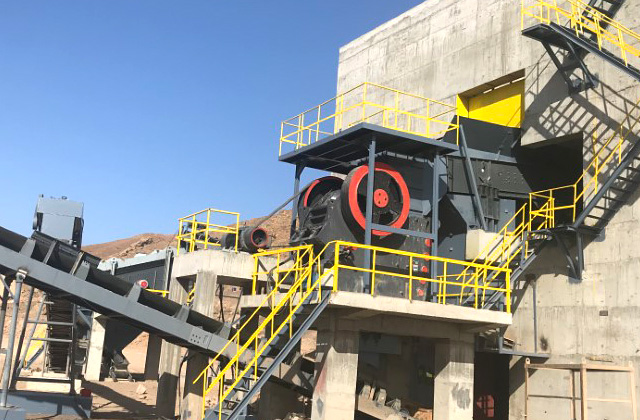
A typical non-metallic ore crushing plant includes a combination of crushers, feeders, screens, conveyors, and control systems. Each component is designed to handle specific ore characteristics, such as hardness, abrasiveness, and moisture content.
a) Feeders
Feeders regulate the flow of raw materials from storage bins or hoppers to crushers. Common types include:
-
Vibrating feeders: Ensure continuous, uniform feed.
b) Crushers
Crushers reduce the ore size to meet the specifications of subsequent processing stages. The most commonly used crushers for non-metallic ores include:
-
Jaw crushers: Ideal for primary crushing of large blocks.
-
Impact crushers: Provide high-quality particle shapes and are suitable for softer, less abrasive materials.
-
Cone crushers: Used for secondary or tertiary crushing of medium-hard ores.
c) Screens
Screens separate crushed materials based on size to ensure uniformity and prevent overloading of downstream equipment.
-
Vibrating screens: Suitable for medium to fine separation.
d) Conveyors
Conveyors transport ore between crushers, screens, and storage or processing units. Types include belt conveyors, screw conveyors, and bucket elevators.
e) Control Systems
Modern crushing plants employ automated control systems to optimize operation. These systems monitor feed rates, crusher load, and material size distribution, ensuring consistent output and energy efficiency.
2. Accessories for Non-Metallic Ore Crushing Plants
Accessories enhance plant performance, improve safety, and reduce maintenance costs. Key accessories include:
-
Dust suppression systems: Reduce airborne dust, ensuring compliance with environmental regulations.
-
Vibration monitoring equipment: Prevents equipment damage by detecting abnormal vibrations early.
-
Lubrication systems: Automatic or centralized lubrication ensures crushers and conveyors operate smoothly.
-
Screens and mesh replacements: Maintain consistent particle size and improve overall crushing efficiency.
-
Metal detectors and tramp iron removers: Protect crushers from damage caused by unexpected metallic objects.
3. Applications of Non-Metallic Ore Crushing Plants
Non-metallic ore crushing plants are used in a wide range of industries:
-
Construction: Producing aggregates for concrete, asphalt, and road building.
-
Cement and lime production: Crushing limestone and dolomite to the required fineness.
-
Glass and ceramics: Processing quartz, feldspar, and kaolin into raw materials.
-
Chemical industry: Preparing gypsum and other minerals for industrial use.
4. Benefits of Modern Crushing Plants
-
High Efficiency: Optimized crushing circuits maximize throughput and minimize energy consumption.
-
Uniform Product Size: Advanced screens and crushers produce consistent material sizes.
-
Reduced Downtime: Automation and robust accessories reduce maintenance requirements.
-
Environmental Compliance: Dust control and noise reduction systems minimize environmental impact.
-
Flexibility: Plants can be customized to handle different ores and production capacities.
5. Trends in Non-Metallic Ore Crushing Technology
-
Mobile crushing plants: Offer mobility for quarry and construction sites, reducing material transport costs.
-
Intelligent control systems: Utilize AI and IoT for predictive maintenance and process optimization.
-
Energy-efficient equipment: Reduce operational costs through lower power consumption and wear-resistant materials.
-
Modular design: Enables quick installation, relocation, or expansion.
Non-metallic ore crushing plants and their accessories form the backbone of the processing industry, enabling efficient production of raw materials for construction, ceramics, glass, and chemical sectors. By integrating modern crushers, feeders, screens, conveyors, and accessories, operators can achieve higher productivity, lower costs, and environmentally responsible operations. Whether in a stationary plant or a mobile configuration, these systems are essential for the efficient, safe, and sustainable processing of non-metallic ores.