
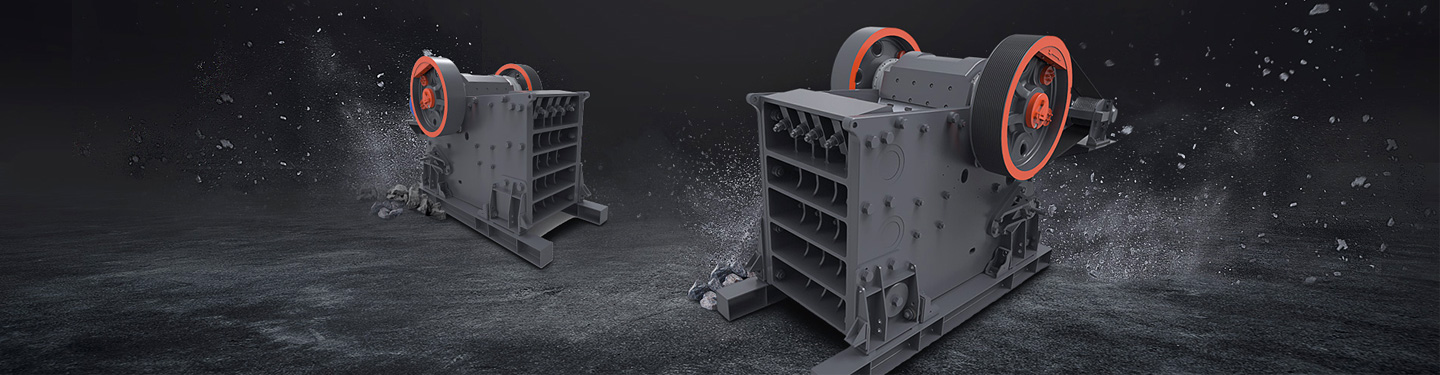
Jaw crushers are among the most widely used crushing equipment in mining, construction, and aggregate production. Known for their robustness and simplicity, these machines are often described as capable of handling “all types of rock.” While this statement highlights the versatility of jaw crushers, it is worth examining how true it is across different rock types, strengths, and operational conditions.
Versatility of Jaw Crushers
Jaw crushers operate on a simple principle: compressive force applied between a fixed and a moving jaw breaks material into smaller pieces. This mechanism makes them adaptable to a wide variety of rocks, from soft limestone to hard granite. Their ability to process diverse feed materials is one of the reasons they are often the first stage in crushing circuits.
Soft to Medium Rocks
-
Limestone, gypsum, and shale are easily crushed by jaw crushers.
-
These materials have lower compressive strength and break quickly under pressure, ensuring high throughput.
-
Jaw crushers provide consistent product size and can handle high moisture levels common in softer stones.
Hard Rocks
-
Granite, basalt, and quartzite are significantly more challenging due to their hardness and abrasiveness.
-
Modern jaw crushers, equipped with wear-resistant manganese steel jaw plates, are capable of processing these rocks effectively.
-
While productivity remains high, frequent maintenance and jaw plate replacement are necessary due to accelerated wear.
Metallic and Mineral Ores
-
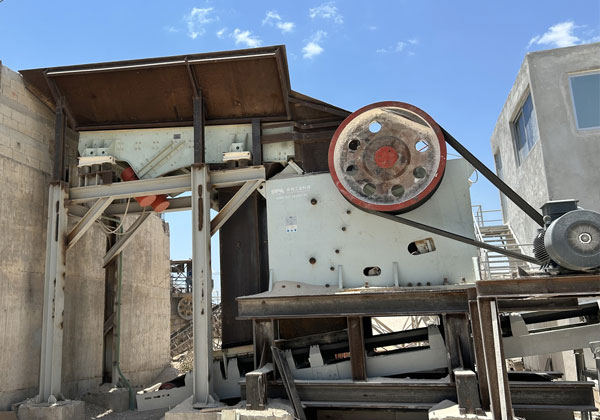
Jaw crushers are also widely used in mining for iron ore, copper ore, and gold-bearing rock.
-
They excel in primary crushing, reducing large boulders to manageable sizes before secondary or tertiary crushing stages.
-
Even with dense ores, jaw crushers deliver reliable performance, though throughput may decrease when compared with softer aggregates.
Limitations and Considerations
While jaw crushers are highly versatile, claiming they handle all types of rock without exception is an overstatement.
-
Extremely hard or abrasive rocks (such as certain types of quartz or corundum) can cause rapid wear.
-
Sticky or clay-rich materials may clog the crushing chamber and reduce efficiency.
-
Size limitations exist—oversized boulders may require blasting or pre-crushing before feeding into the jaw crusher.
Comparative Advantage
Compared to cone or impact crushers, jaw crushers are best suited for primary crushing and materials with high compressive strength. They are less effective for producing fine aggregates or shaping materials, where impact crushers excel. Nonetheless, their reliability, durability, and broad applicability make them indispensable in most crushing setups.
Conclusion
The phrase “jaw crusher will handle all types of rock” reflects the unmatched versatility of this equipment in primary crushing. From soft limestone to hard granite and metallic ores, jaw crushers provide a reliable solution for breaking down raw material. However, efficiency depends on rock hardness, abrasiveness, and moisture content. While they may not be ideal for every application, jaw crushers remain the foundation of modern rock and mineral processing.