

The discharge particle size of a sand making machine is a crucial factor that determines the quality and usability of the final product in construction, infrastructure, and industrial applications. Several elements influence the output particle size, and optimizing these can enhance performance and efficiency.
Factors Affecting Discharge Particle Size
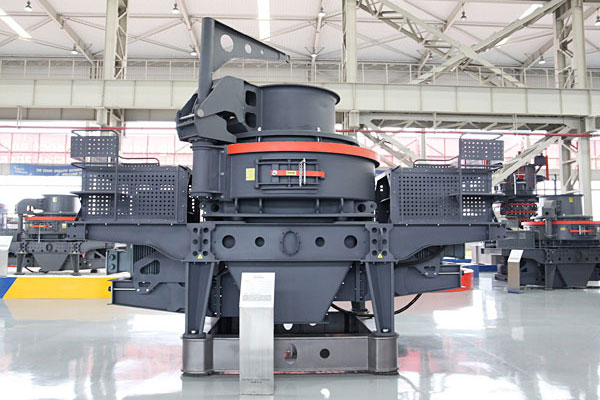
- Equipment Type & Design – Different sand making machines have varying impact forces and crushing methods. For example, VSI (Vertical Shaft Impact) crushers produce well-shaped, uniform grains, while hammer crushers may generate more irregular particles.
- Feed Size & Material Hardness – Larger input materials require stronger crushing forces. If the feed size exceeds the machine’s specified limit, it may lead to oversized output.
- Wear & Tear of Parts – If the liners, anvils, or rotor blades are worn out, the machine may lose crushing efficiency, leading to uneven particle size distribution.
- Machine Speed & Adjustability – Higher rotor speeds result in finer particles, while adjustable discharge grates can help control output size.
Common Issues & Solutions
Problem 1: Oversized Particles
- Causes:
- Worn-out rotor or liners
- Excessive feed size
- Improper machine settings
- Solutions:
- Replace worn components
- Ensure proper feeding size (ideally ≤60mm for VSI crushers)
- Adjust rotor speed or discharge openings
Problem 2: Uneven Particle Distribution
- Causes:
- Clogged air circulation or grate blockage
- Incorrect material moisture content
- Inconsistent feed rate
- Solutions:
- Clear blockages and maintain proper airflow
- Pre-screen excessively wet materials
- Control feeding consistency using a vibratory feeder
Problem 3: Excessive Fines (Too Much Tiny Particles)
- Causes:
- Too high rotor speed
- Long retention time in crushing chamber
- Solutions:
- Adjust rotor speed based on material type
- Optimize discharge chute design to prevent recirculation
Optimizing Discharge Particle Size
- Use a Screening System – A closed-circuit setup with a vibrating screen ensures proper classification, sending oversized particles back for reprocessing.
- Regular Maintenance – Inspect wear parts (impellers, liners) frequently to maintain efficiency.
- Material-Specific Adjustments – For harder materials like granite, reduce feed size and increase rotor speed for finer output.
Achieving the desired sand particle size requires a combination of machine tuning, proper feed control, and regular maintenance. Whether producing coarse sand for concrete or fine aggregate for mortar, understanding these factors ensures optimal productivity and consistent product quality. If issues persist, consulting with a professional equipment supplier can help tailor solutions for specific operational needs.